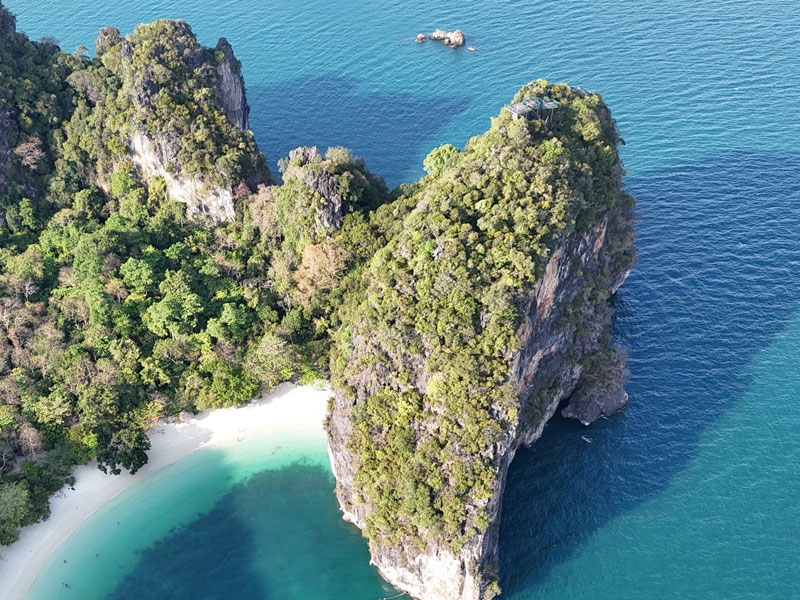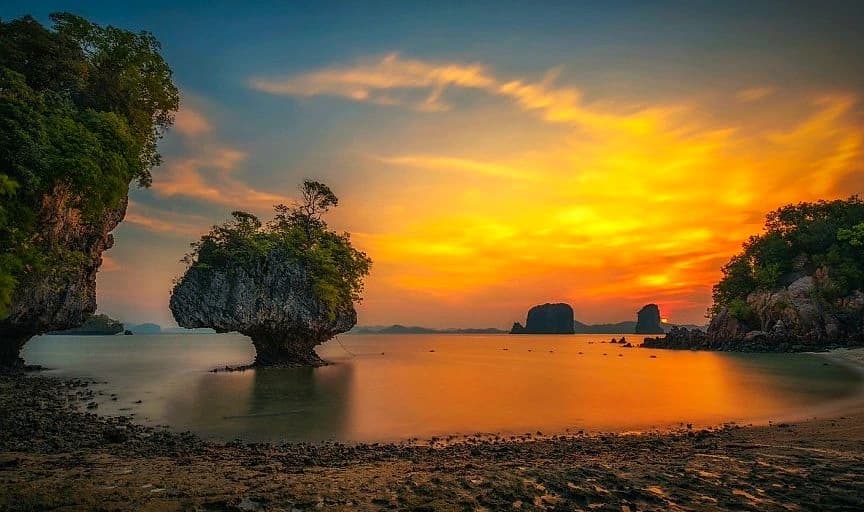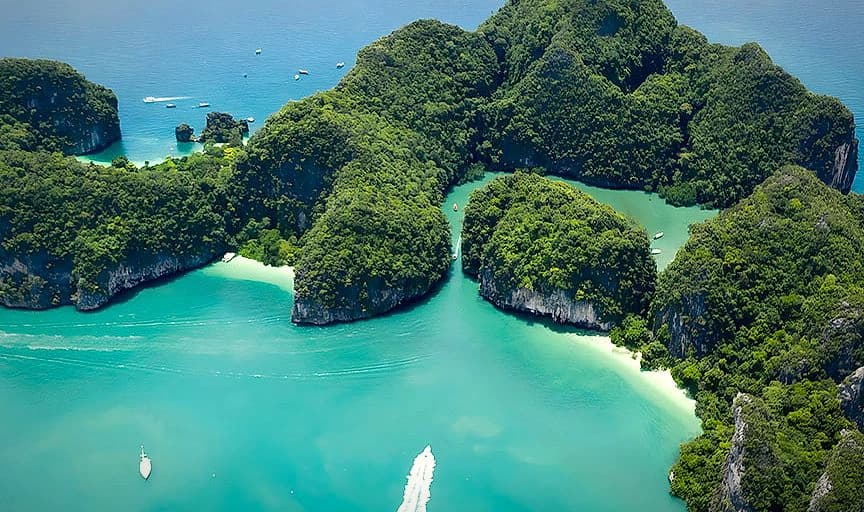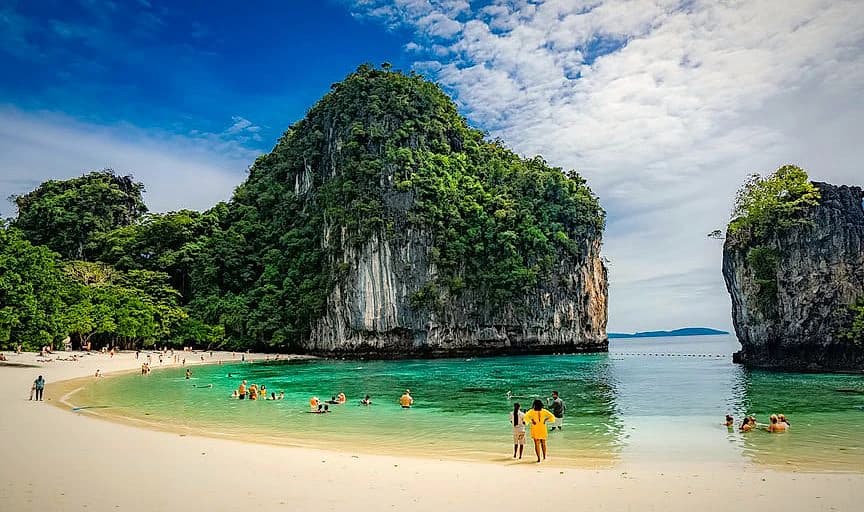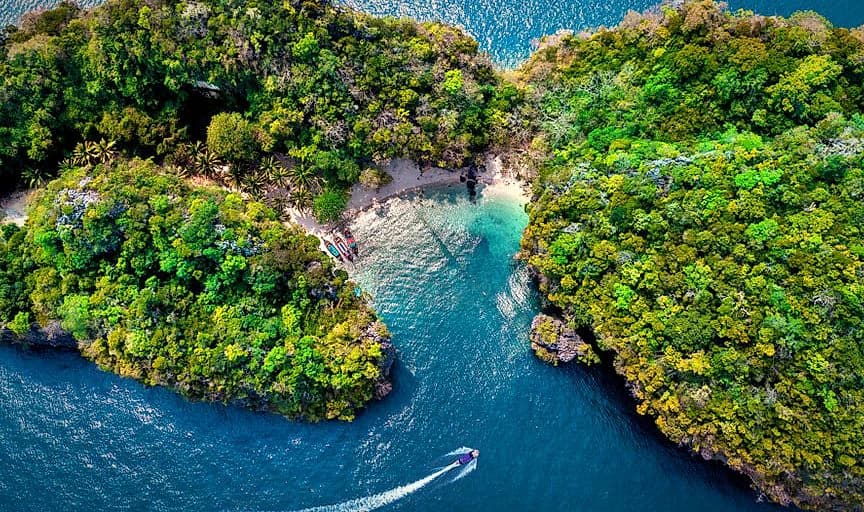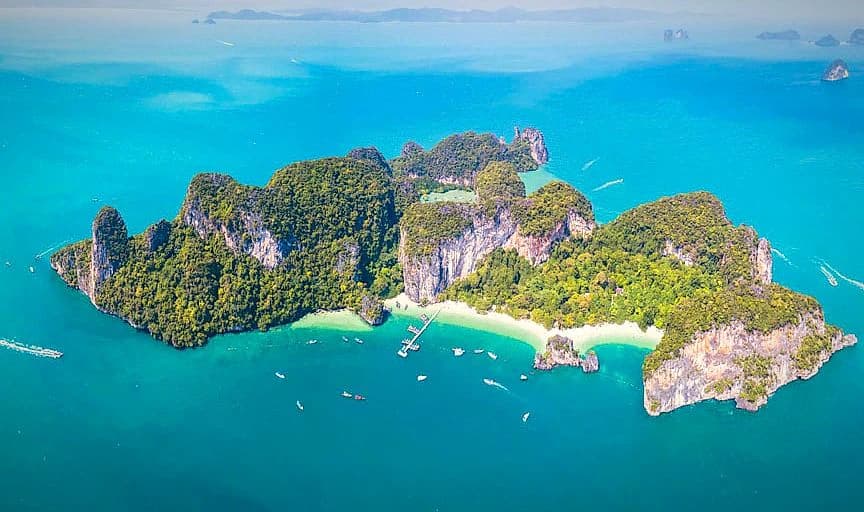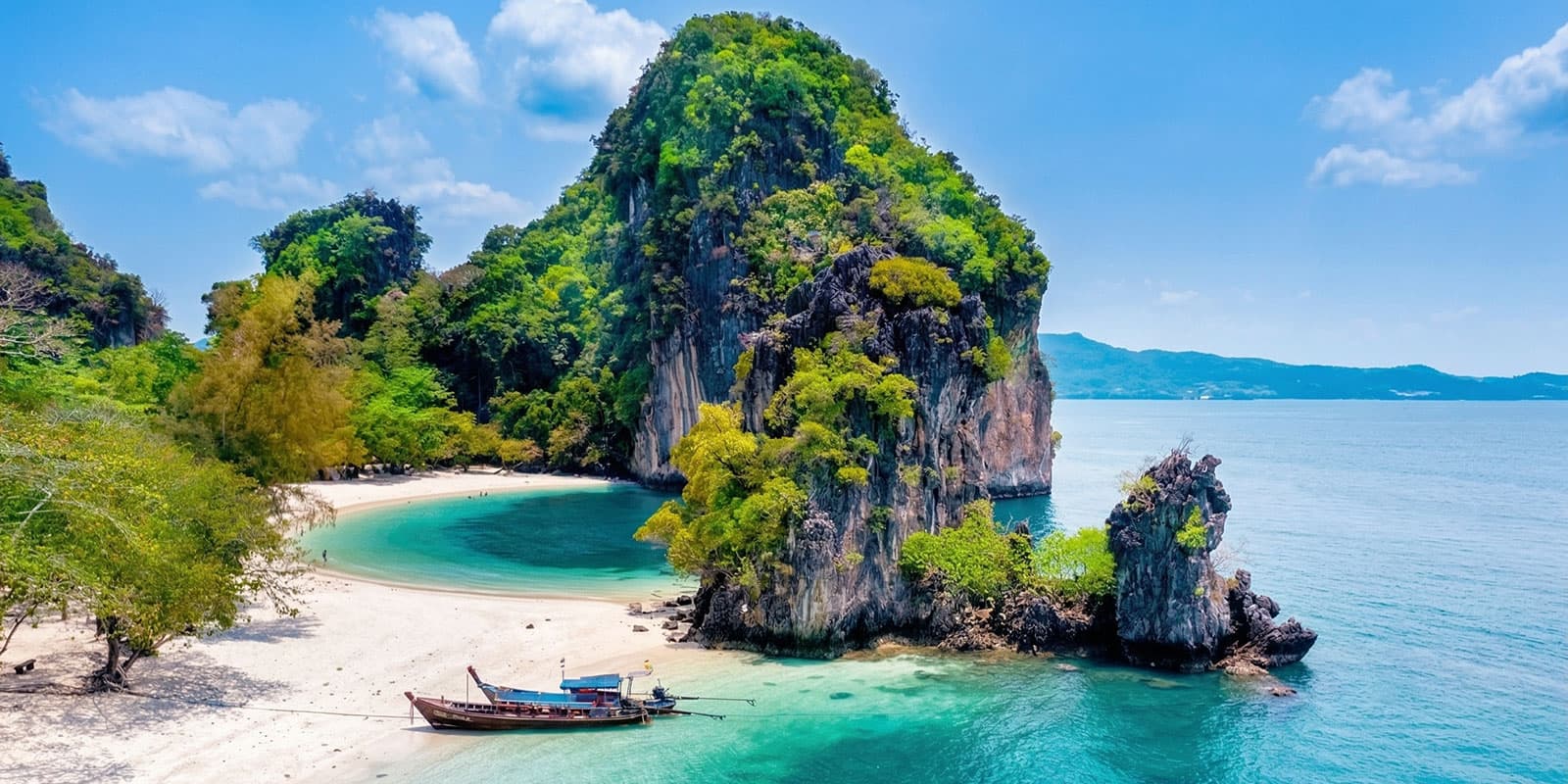
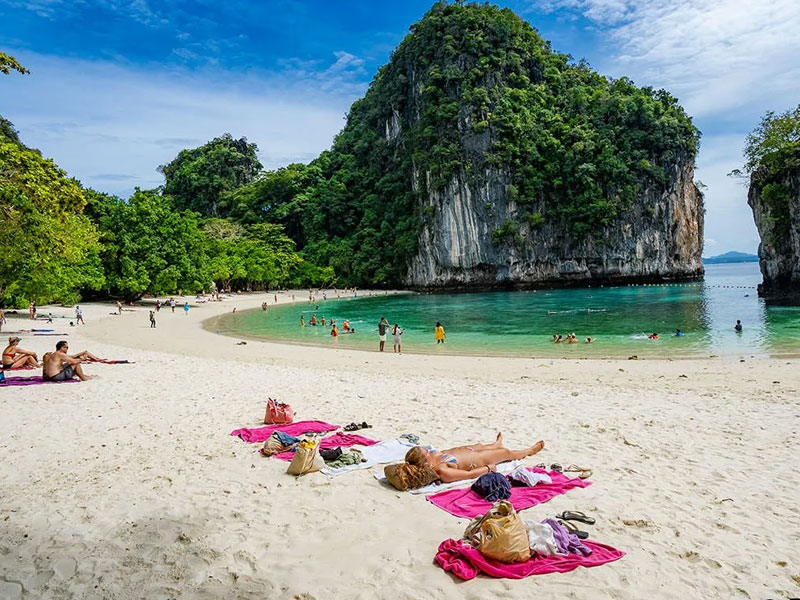
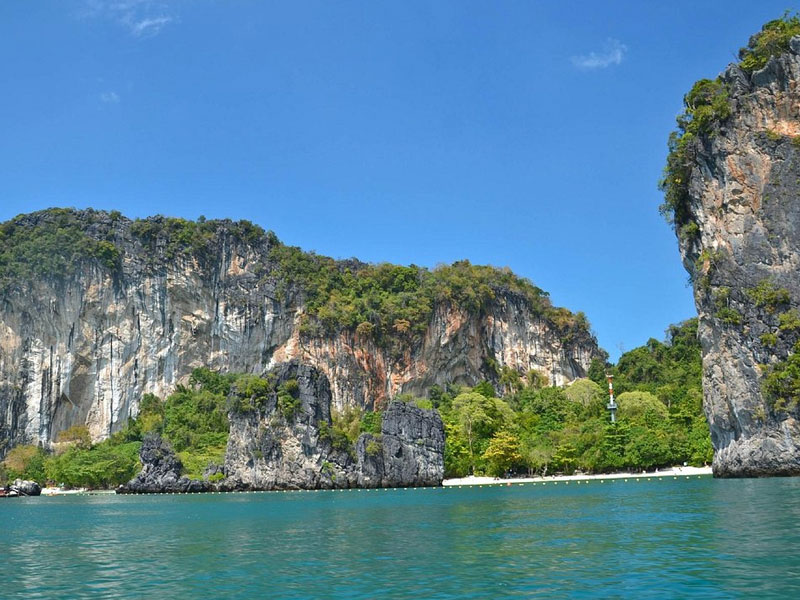
Koh Hong is the most dramatic of the four islands in the group. Its cliffs rise straight out of the sea, the water is so clear you can watch fish from the boat, and somewhere inside the rock is a hidden lagoon that most people don't even know exists until they're in it.
What's in the Name
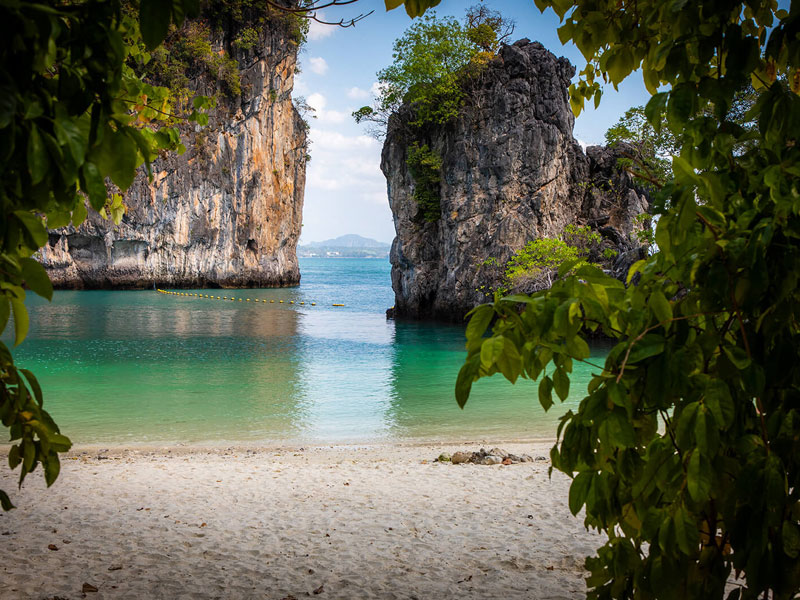
"Hong" is the Thai word for "room", and one look at the centre of Koh Hong tells you exactly why. The whole island is hollowed out by a perfectly enclosed limestone lagoon, hidden from the open sea on every side. You enter through a narrow gap in the rock and find yourself inside what feels like a private outdoor room with cliff walls all around you and the sky directly above. Locals have been calling it the room island for as long as anyone can remember.
What to See & Do
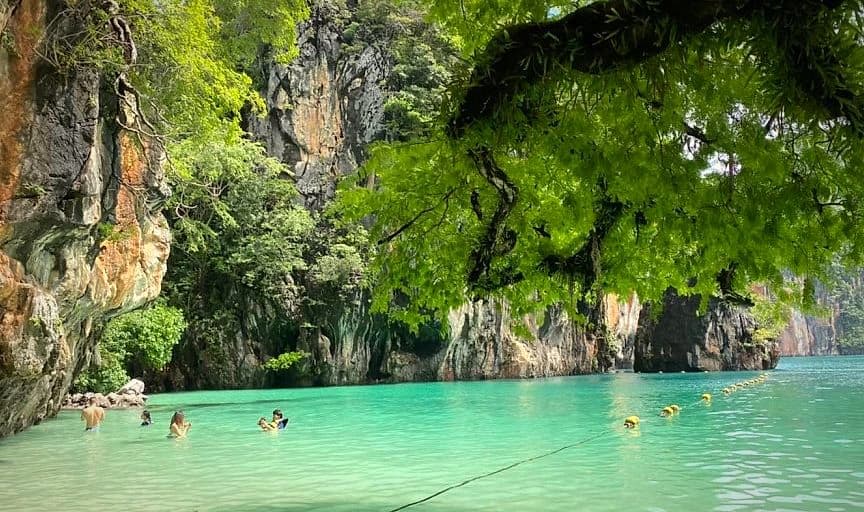
The hidden lagoon is the main draw. You reach it through a narrow gap in the rock, you can swim or kayak through, depending on the tide. Once inside, you're completely enclosed. Limestone walls on every side, the sky above, and barely a sound. It's one of those places that looks like it was designed for photos.
Beyond the lagoon, the outer reef offers solid snorkeling, mostly hard coral, plenty of fish and the occasional turtle. The beach on the southern side is wide, clean and usually less busy in the morning.
Best time to visit: the lagoon is most accessible at mid-tide. Your guide will know the timing for your day.
The 360° Viewpoint
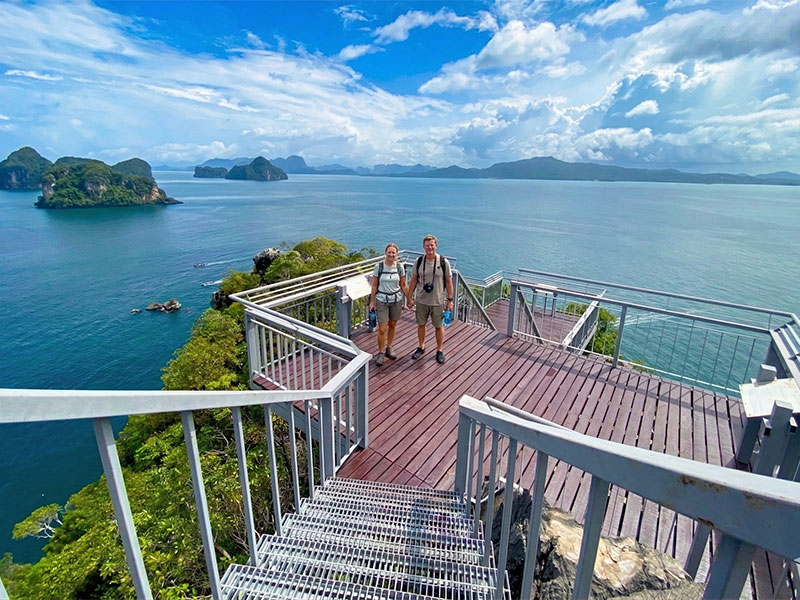
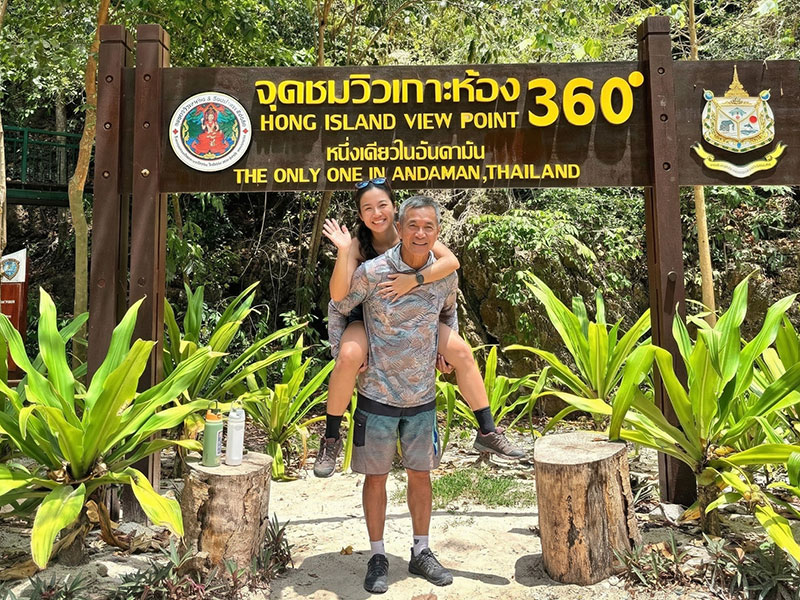
One of the best things to do on Koh Hong is climb to the 360° viewpoint at the top of the island. From the upper platform you look out over Phang Nga Bay, the surrounding limestone karst islands and Koh Hong's own beach and lagoon below. On a clear day the view goes for miles in every direction and it is easily the best photo spot in the whole island group.
The climb is 419 metal steps to the highest of two viewing platforms, with the upper platform sitting at around 190 metres above sea level. It usually takes about 20 minutes at a steady pace, longer if you stop for photos along the way. Most of the trail is shaded by trees and there are four rest points on the way up. The viewpoint and walkway were built in 2020 and are well maintained.
It gets hot and sticky on the climb so bring water and wear shoes you can grip in. There is no separate fee for the viewpoint itself, only the standard national park fee you pay when arriving on the island. Most people who make the climb say it was worth every step.